
How are Chinese toy brands like Pop Mart and 52TOYS building global fandoms? We break down their 2026 strategies for localization, hybrid retail, and community-first marketing.
The narrative of “China as manufacturer” is rapidly giving way to “China as creator.” A new generation of Chinese toy companies, led by pop culture phenomena like Pop Mart and 52TOYS, is demonstrating that Chinese-origin Intellectual Property (IP) can achieve global resonance. Their international expansion in 2026 is not mere export; it's a masterclass in cultural translation, community building, and hybrid retail strategy that offers lessons for any brand aiming to cross borders.
The Foundation: A Strong Domestic “Proving Ground”
The success abroad is predicated on a formidable domestic operation. These companies have mastered:
IP Ecosystem Development: Creating not just toys, but entire worlds around original characters (like Pop Mart’s MOLLY) or innovative toy lines (like 52TOYS’ Mega Box series).
Blind Box Economics: Perfecting the gamified retail model that drives collecting, social sharing, and repeated purchases.
Direct Consumer Engagement: Using robust app ecosystems, member clubs, and flagship stores to build intense fan loyalty and valuable first-party data.
The Internationalization Playbook: Key Tactics for 2026
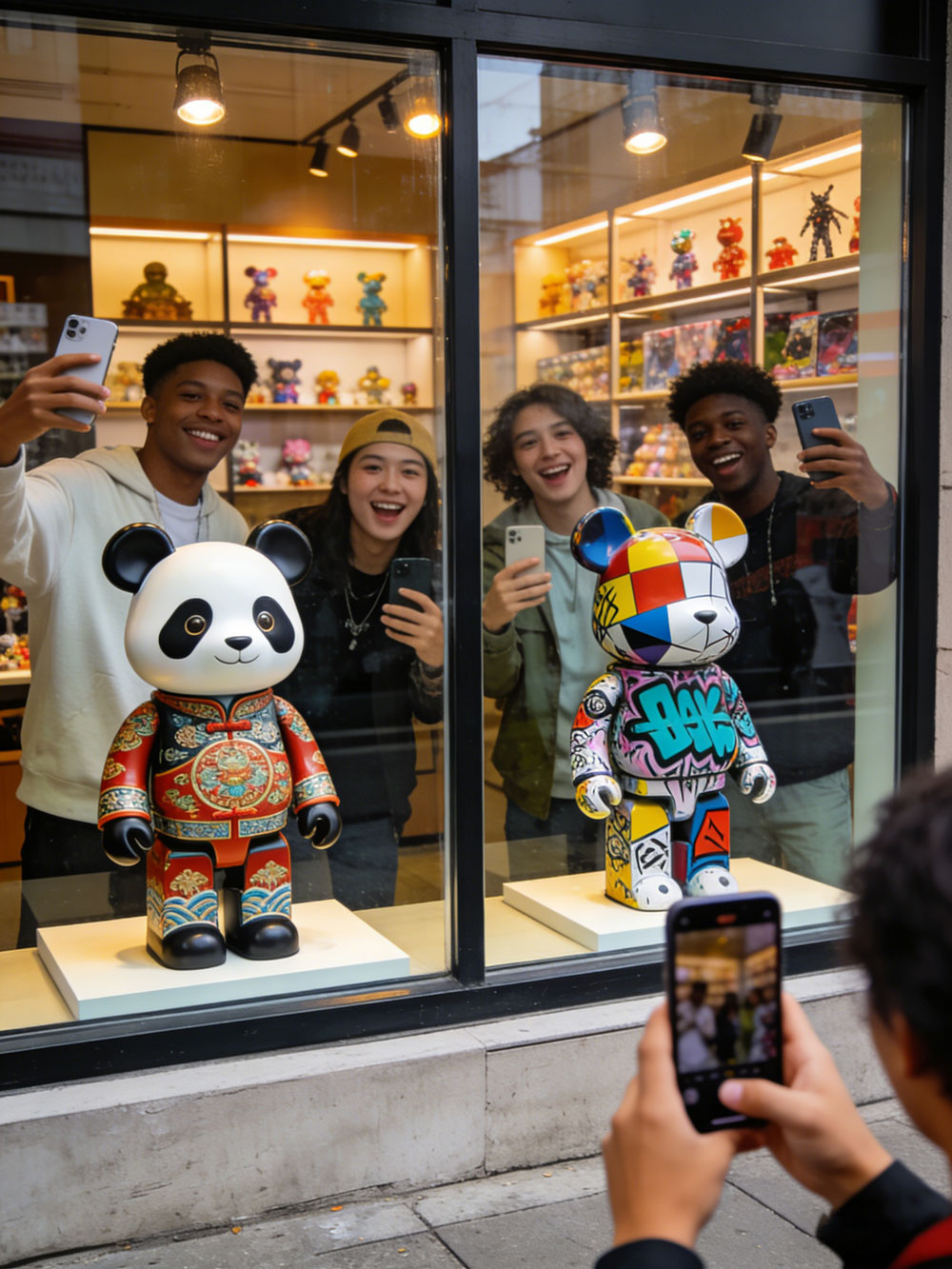
Strategic, City-by-City Landing: Instead of blanket national rollouts, they target global cultural capitals (London, New York, Los Angeles, Tokyo, Seoul) with flagship stores. These locations serve as physical brand temples that generate buzz, media coverage, and social proof, attracting both diaspora communities and local trendsetters.
Deep Localization, Not Just Translation: It’s more than packaging. It involves:
Collaborations with Local Artists/IPs: Partnering with Western comic artists, graffiti writers, or regional cultural icons to create limited edition products that feel authentic and fresh to the local market.
Culturally-Nuanced Marketing: Engaging local social media influencers who understand the subculture of toy collecting and design, rather than just mega-celebrities.
Regional Product Assortment: Curating which IPs and product lines to launch based on local aesthetic preferences and market testing.
Omnichannel Presence with Local Partners: They leverage a mix of owned and partnered channels:
Owned Retail & E-com: Flagship stores plus localized .com sites.
Premium Wholesale: Placing products in high-end department stores, design boutiques, and specialty comic shops to build brand prestige.
Marketplace Integration: Selling on Amazon, but often through their own brand storefront to maintain control.
Community-First, Marketing-Second: The core strategy is to cultivate a global fan community. They use global social platforms (Instagram, X) to showcase designs, behind-the-scenes creation, and collector highlights. They host global fan events and design competitions, making international collectors feel part of an exclusive club.
Navigating Challenges: Perception and Competition
The path isn't without hurdles. Chinese brands sometimes face preconceived notions about quality or originality. They overcome this through:
Uncompromising Design and Quality: Showcasing superior product design, material quality, and intricate detailing that rivals or surpasses established Western brands.
Storytelling: Emphasizing the artistic vision of their designers and the cultural narratives behind their IPs, shifting the conversation from “made in” to “created by.”
The rise of these brands signals a seismic shift. They are proving that in the global toy and collectibles market, compelling design and community are universal currencies. For retailers and distributors worldwide, these companies represent a new and vital category: premium, design-driven IP from China.
Post time: Mar-21-2026


