
Ditch the trade show chaos. Discover how AI-powered sourcing platforms, virtual showrooms, and digital sampling are creating faster, smarter, and more transparent buyer-manufacturer connections.
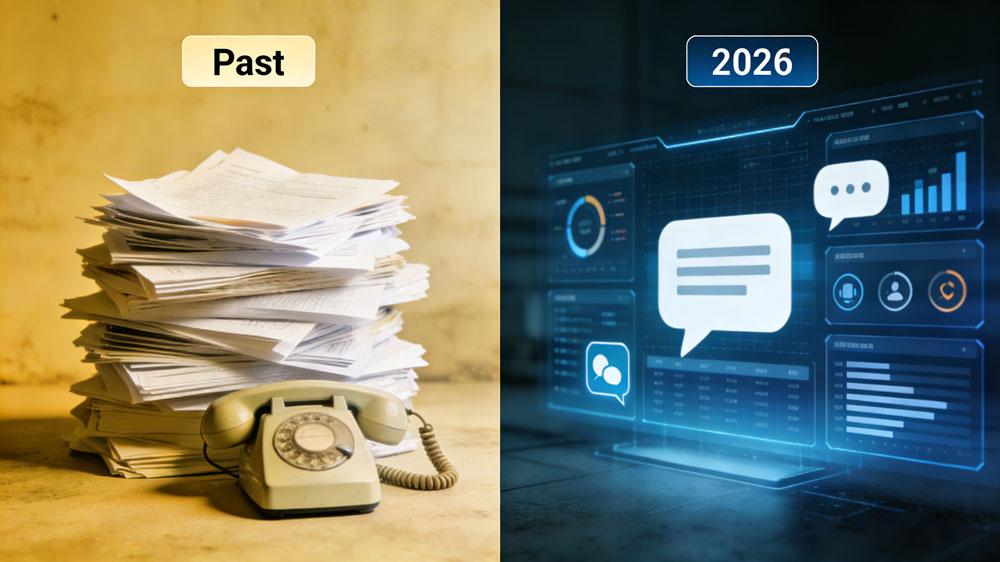
The traditional model of toy sourcing—reliant on massive trade fairs, dense supplier directories, and endless email threads—is being disrupted by a wave of digital innovation. In 2026, Smart Sourcing is defined by platforms and tools that leverage Artificial Intelligence (AI), virtual reality, and big data to create more efficient, transparent, and strategic connections between global buyers and manufacturers. This is not just about finding a supplier; it's about optimizing the entire sourcing journey.
The Digital Toolbox: Key Innovations
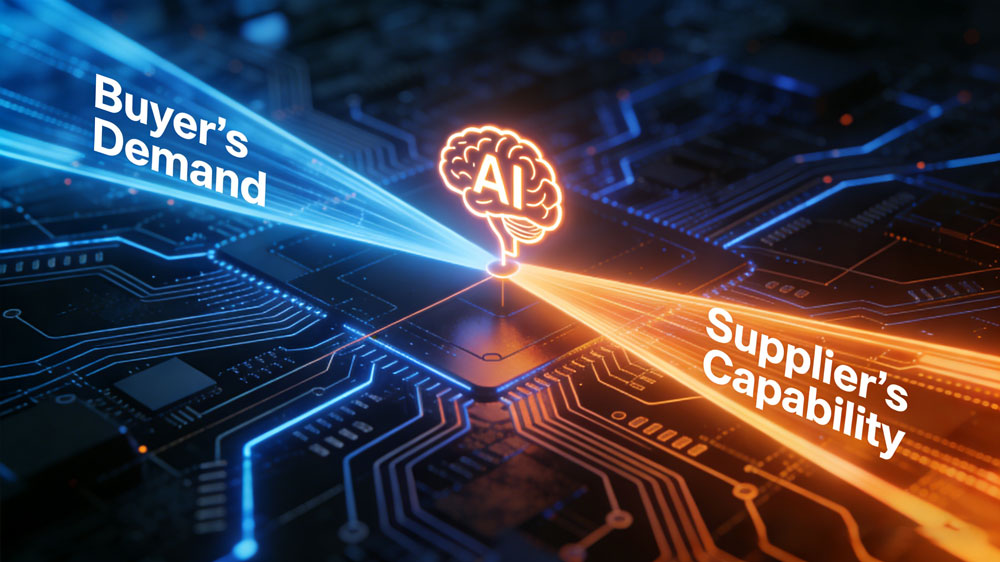
AI-Powered Matchmaking Platforms: Platforms like Alibaba.com’s “My Assistant” or specialized B2B marketplaces use AI algorithms to go beyond simple keyword search. They analyze a buyer's past orders, browsing behavior, and requirements to recommend the most suitable manufacturers. They can also pre-qualify suppliers based on verified production capabilities, audit reports, and transaction history, saving buyers countless hours of vetting.
Virtual Showrooms & 3D Product Sampling: Augmented Reality (AR) and Virtual Reality (VR) allow buyers to “walk through” a factory floor or showroom remotely. More crucially, high-fidelity 3D digital samples are replacing physical prototypes for early-stage design reviews. Buyers can inspect a photorealistic model from all angles, see material finishes, and even visualize packaging, dramatically reducing sample costs and cutting weeks off the development timeline.
RFQ & Order Management Hubs: Cloud-based platforms centralize the Request for Quotation (RFQ) process. Buyers can send detailed, standardized RFQs to multiple pre-vetted suppliers simultaneously, compare quotes in a structured dashboard, and manage orders, communications, and documents (like tech packs and inspection reports) all in one place, ensuring clarity and audit trails.
Tangible Benefits for Buyers and Suppliers
For Buyers: Increased Efficiency (faster supplier discovery, streamlined communication), Enhanced Due Diligence (access to verified data), Reduced Risk (fewer misunderstandings via digital specs), and Greater Innovation Access (discovery of niche specialists).
For Suppliers: Higher Quality Leads (from serious, informed buyers), Reduced Marketing Costs (digital presence vs. global fair travel), and an Opportunity to Showcase Capabilities beyond basic listings (through virtual factory tours, video portfolios).
The Human Element in a Digital World
While technology is transformative, the final strategic decision and relationship building remain profoundly human. Smart sourcing platforms excel at narrowing the field and providing data, but they don't replace the need for:
Deep-dive video calls to assess communication and cultural alignment.
Factory audits (which can now be partially conducted via live-streamed video walkthroughs).
The crucial “gut check” of trust and partnership potential that comes from direct interaction.
The Future: Predictive and Integrated Sourcing
The next evolution is predictive sourcing. AI will soon be able to analyze global trend data, material cost fluctuations, and logistics bottlenecks to advise buyers on optimal sourcing locations and timing. Furthermore, these platforms will integrate directly with supply chain finance and logistics services, creating a seamless digital ecosystem from sourcing to shipment.
For any toy company, adopting these smart sourcing tools is no longer a luxury but a necessity to stay competitive. They democratize access to global supply chains, empower smaller brands to act with the agility of giants, and ultimately foster a more dynamic, innovative, and responsive global toy industry.
Post time: Mar-25-2026


