
Cutting through the noise. A clear, actionable update on tariffs, customs digitization, and trade agreements that are simplifying and reducing the cost of importing toys in 2026.
Amidst geopolitical headlines, significant and practical changes are occurring at the operational level of global trade. For toy importers worldwide, 2026 presents a landscape where digitization, bilateral agreements, and streamlined regulations are actively working to reduce friction, cost, and uncertainty when sourcing from China. Understanding these nuances is key to maintaining competitive margins and supply chain reliability.

The Digital Revolution: Paperless Customs
The single most impactful trend is the global push toward fully digitalized customs clearance. China has been aggressively implementing its “Single Window” system, which allows for the electronic submission of all import/export documents. For buyers, the benefit comes when their home country’s system integrates with this:
Pre-declaration and Risk-Based Inspection: Submitted data can be processed before a shipment arrives, allowing customs authorities to conduct targeted, risk-based inspections rather than blanket physical checks. This dramatically speeds up port release times.
Reduced Errors and Fraud: Digital data submission minimizes manual entry errors and document forgery, leading to fewer holds and disputes.
Emergence of AI in Classification: Some advanced customs agencies are piloting AI tools to help classify products (like determining the correct HS code for a multifunctional toy), increasing accuracy and consistency.
Tariff Landscape: A Mixed Picture with Opportunities
US Section 301 Tariffs: The majority of toys imported from China remain subject to the additional 25% tariff under List 3. While there is political debate, a broad removal in 2026 is considered unlikely. Strategies to mitigate this include: Utilizing “First Sale” valuation rules (if applicable), ensuring correct product classification to avoid higher-than-necessary duties, and exploring limited exclusions for certain products.
Regional Trade Agreements (RTAs): This is where significant savings can be found. China has multiple RTAs (e.g., RCEP – Regional Comprehensive Economic Partnership). If an importer is based in a member country (like Japan, Australia, or South Korea), they may qualify for preferential tariff rates or even zero tariffs if they can meet the agreement’s Rules of Origin (ROO). This often requires working closely with the Chinese manufacturer to obtain the necessary certificate of origin.
De Minimis Value Increases: Many countries have raised their de minimis threshold—the value under which imports are exempt from duties and taxes. For low-value, direct-to-consumer e-commerce shipments, this can be a major cost saver.
Practical Advice for Importers in 2026
Invest in a Customs Brokerage Partner: A knowledgeable broker is invaluable for navigating the hybrid system of old rules and new digital processes.
Demand Digital Documentation: Insist that your Chinese suppliers provide all commercial documents (invoice, packing list, certificate of origin) in standardized digital formats to feed smoothly into your clearance system.
Conduct a Tariff Classification Audit: Review the HS codes you are using for your products. An incorrect code can lead to overpayment of duties or compliance penalties.
Explore Bonded Warehousing in China: For some businesses, storing goods in a bonded warehouse in China (like those in Shanghai or Shenzhen ports) allows you to defer duties until the point of sale and final destination is known, aiding cash flow.
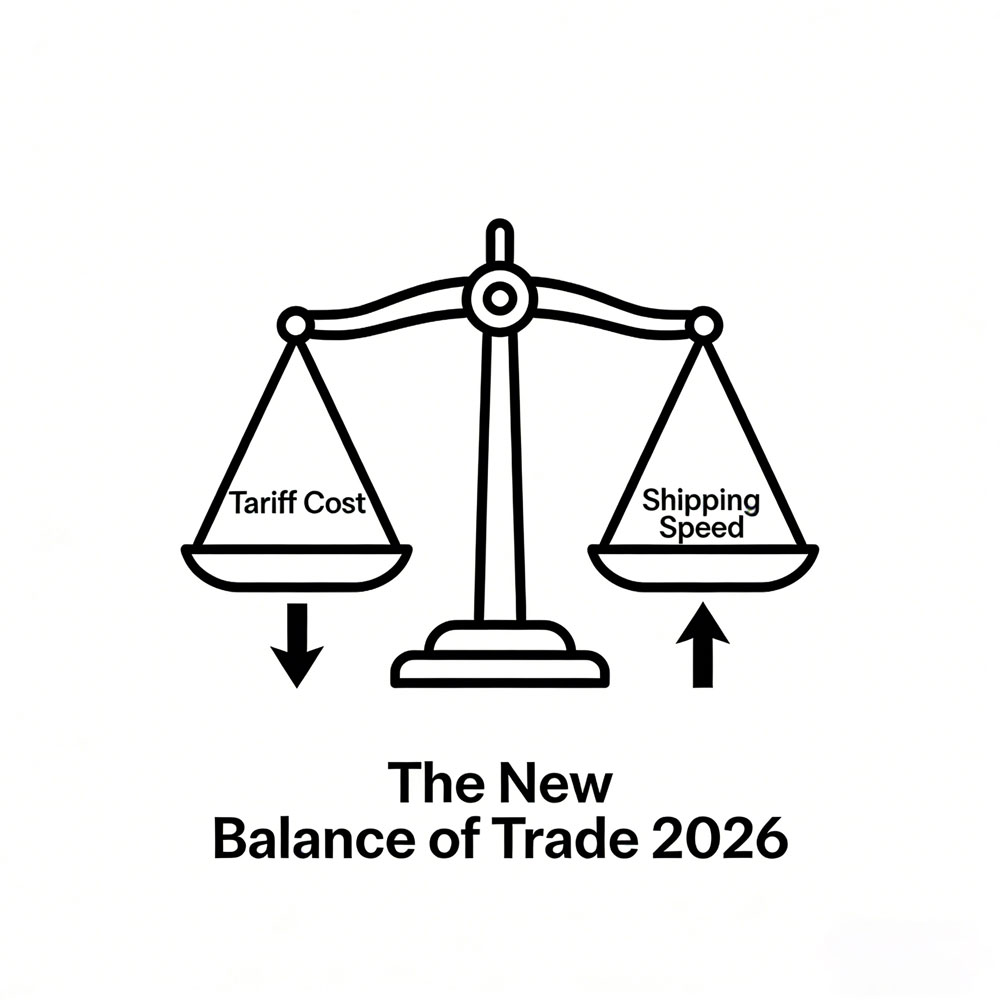
While challenges persist, the overarching direction of trade policy and process in 2026 is toward greater transparency, speed, and predictability. Importers who proactively engage with these changes, rather than react to them, will secure a definitive advantage in getting their products to market faster and cheaper.
Post time: Apr-14-2026


