
Moving past niche souvenirs. Learn how designers are blending cultural motifs (like the 2026 Zodiac Horse) with universal play patterns to create toys that captivate worldwide.
The success of toys inspired by the annual Chinese Zodiac cycle, like the 2026 Year of the Horse, reveals a larger trend: cultural motifs are becoming a powerful global design language, not just ethnic curiosities. The challenge and opportunity for toy creators in 2026 lie in moving beyond literal representation or seasonal gimmicks to craft “culture-infused” toys—products that respectfully draw from a cultural heritage while embodying universal themes of play, storytelling, and artistry that resonate across borders.
From Literal to Universal: A Design Evolution
The first generation of cultural toys often leaned on explicit symbolism (a direct horse figurine) for a diaspora or niche collector market. The new generation, however, applies a design-thinking lens:
Abstraction and Stylization: Taking the essence of the Horse—its speed, grace, freedom—and interpreting it through modern aesthetics: sleek lines in an abstract sculpture, a futuristic robotic steed, or a stylized character in an original fantasy universe.
Narrative Integration: Embedding the cultural element into a broader, relatable story. A “Celestial Horse” could be a key character in a graphic novel about galactic guardians, making its cultural origin a layer of depth rather than the sole identity.
Focus on Craft and Material: Using traditional craftsmanship (e.g., porcelain, wood joinery) in contemporary forms, highlighting the artisanal value that appeals to global design enthusiasts.
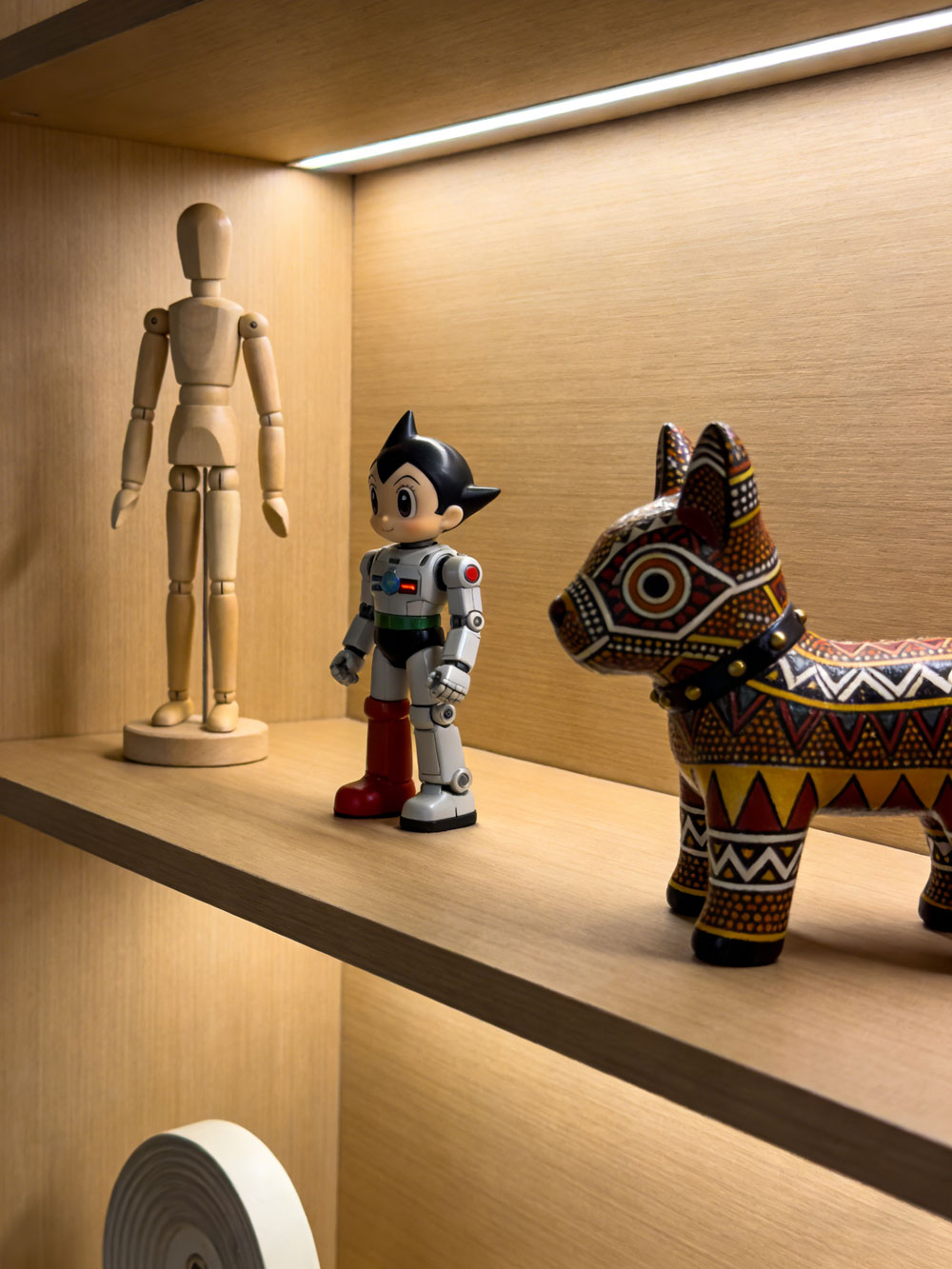
Case Studies: The Blended Approach in Action
Japanese “Kawaii” Culture: This is the quintessential example of a localized aesthetic (cuteness as a cultural value) that became a global design powerhouse. Characters like Hello Kitty or Rilakkuma carry no overt Japanese text or clichés, yet their design philosophy is deeply rooted in kawaii culture, proving universally appealing.
Nordic “Hygge” in Toys: The global popularity of simple, wooden, open-ended toys from brands like Grimms or Olli Ella taps into the universal desire for calm, tactile, and imaginative play, while being intrinsically linked to Nordic design principles of minimalism and nature.
Chinese “Xianxia” Inspiration: Instead of exporting literal deity statues, designers are infusing the ethereal aesthetics, flowing robes, and mythical creatures of xianxia (immortal heroes) fantasy into action figure design, fantasy model kits, and character art, captivating global anime and fantasy fans.
Strategies for Global Cultural Fusion
Collaborate with Cultural Translators: Work with designers, artists, or storywriters who deeply understand the source culture but also operate in a global creative context. They act as bridges.
Prioritize Emotional Resonance Over Explanation: The toy should evoke wonder, joy, or curiosity on its own. Its cultural depth becomes a bonus layer for those who seek it, not a prerequisite for enjoyment.
Launch with Contextual Storytelling: Use packaging, app content, or mini-comics to gently introduce the cultural inspiration behind the toy in an engaging way, adding value without overwhelming.
The Result: Enriching the Global Toybox
This approach does not dilute culture; it celebrates and shares it in an accessible format. It allows children in Berlin to play with a toy inspired by Mongolian horseback traditions, while a collector in São Paulo appreciates the craftsmanship of a modern jade-influenced resin sculpture. For retailers, these toys represent a higher-margin, design-focused category that attracts discerning customers tired of homogeneous, globalized product lines.
In 2026, the most compelling toys will be those that tell a story—not just about their own fictional world, but about the rich tapestry of human creativity they are woven from.
Post time: Apr-14-2026


